Below are a few of the projects and topics in which Shore Consulting Group is currently engaged or has been engaged:
Recent Projects
Middle Peninsula Shallow Draft Dredging Plan
Northern Neck Shallow Draft Dredging Plan
Project Management Support for Shallow Draft Dredging Projects
Maintenance Dredging of the Public Boat Ramp at Mill Creek Landing, Middlesex County, VA
Northern Neck Shallow Draft Navigation and Sediment Management Implementation Plan
Hampton Roads Bridge Tunnel Expansion Project Section 408 Evaluation
10 Misconceptions about the NFIP and Repetitive Loss Properties
Middle Peninsula Local Government Dredging Plan
Shallowbag Bay Dredging Plan
NATIONAL FLOOD INSURANCE PROGRAM COMMUNITY RATING SYSTEM: Addendum to the 2017 CRS Coordinators Manual
NFIP/CRS Update Newsletter
U.S. Army Corps of Engineers to revolutionize civil works business practices
Revolutionize USACE Civil Works Partner Session
White Paper: NFIP Community Rating System
Current Events
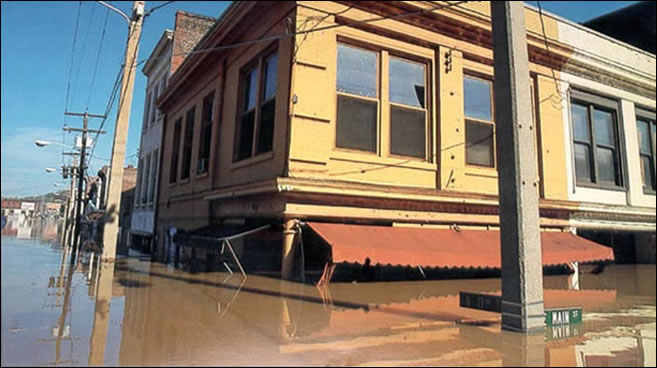
On Tuesday, March 24, 2026, participated in a webinar sponsored by the American Society of Civil Engineers entitled “New 500 Year Flood Standards: What Code Officials Need to Know”. New 500-year flood standards (0.2% annual chance) are increasingly mandated, particularly for critical infrastructure, under the Federal Flood Risk Management Standard (FFRMS). Code officials must transition from just 100-year mapping to using the Climate-Informed Science Approach (CISA) or higher vertical elevations (base flood elevation + 2-3 ft) for federally funded projects. These rules apply to new construction as well as to substantial improvements. The webinar was led by Jeannette Torrents, Technical Director of ASCE’s Structural Engineering Institute, and explained why the standards now reference the 500-year floodplain and what these changes mean for code officials, floodplain managers, and local jurisdictions.
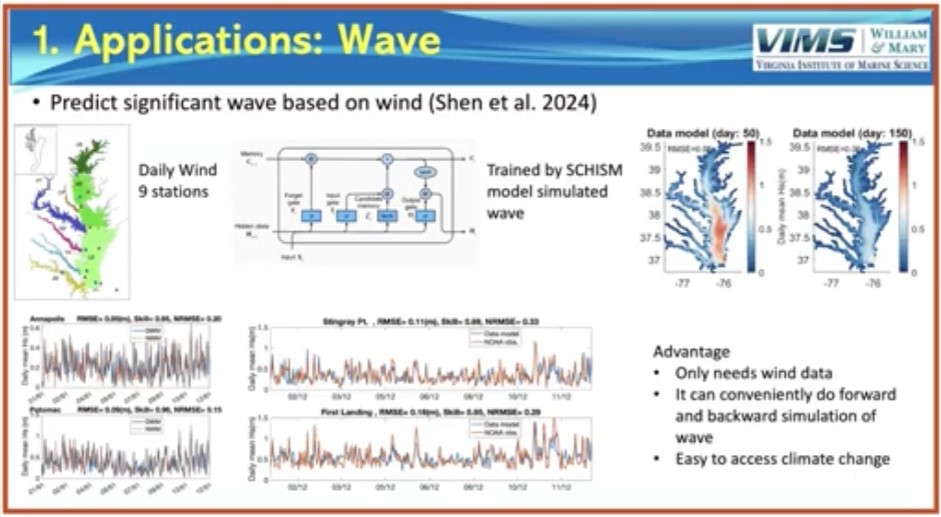
On Wednesday, March 18, 2026, participated in a webinar sponsored by the Chesapeake Research Consortium entitled “Leveraging AI to Advance Research and Management”. Speakers included Alison Appling, US Geological Survey, Jian Shen, Virginia Institute of Marine Science, and Qian Zhang, University of Maryland Center for Environmental Science / EPA Chesapeake Bay Program Office each of whom discussed how artificial intelligence and machine learning can accelerate progress toward watershed agreement goals in the Chesapeake Bay, the nation’s largest estuary.